

As a supplier of Hydraulic Honing Machines, I understand the importance of proper honing stroke adjustment in achieving high - quality honing results. In this blog, I will share some key points on how to adjust the honing stroke of a hydraulic honing machine.
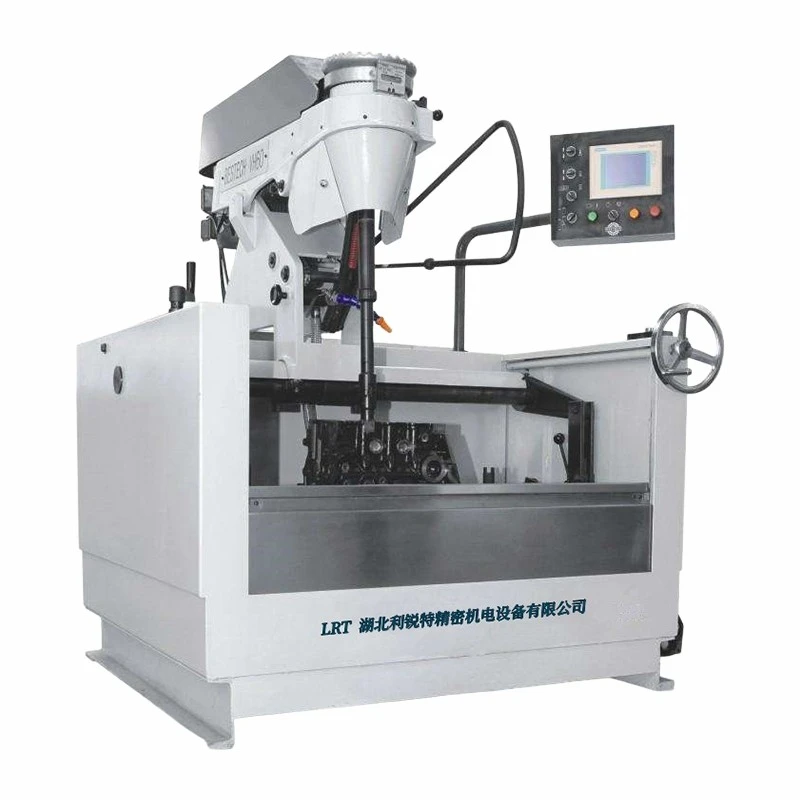

Understanding the Basics of Honing Stroke
The honing stroke refers to the linear movement of the honing tool within the workpiece bore. It is a crucial parameter that affects the surface finish, roundness, and straightness of the bore. A well - adjusted honing stroke ensures uniform material removal and a precise bore diameter.
Factors Affecting Honing Stroke Adjustment
- Workpiece Requirements
The size, shape, and material of the workpiece play a significant role in determining the honing stroke. For example, larger bores may require longer strokes to ensure complete coverage, while smaller bores may need shorter, more precise strokes. Different materials also have different cutting characteristics, which can influence the optimal stroke length. - Honing Tool Characteristics
The type and design of the honing tool, such as the number of stones, stone size, and bond type, affect the honing stroke. A tool with more stones may require a shorter stroke to avoid over - cutting, while a tool with larger stones may need a longer stroke for efficient material removal. - Machine Capabilities
The hydraulic honing machine has its own limitations and capabilities. The maximum and minimum stroke lengths are determined by the machine's design and specifications. It is essential to work within these limits to ensure safe and effective operation.
Step - by - Step Guide to Adjusting the Honing Stroke
- Initial Setup
Before adjusting the honing stroke, make sure the machine is properly installed and calibrated. Check the hydraulic system for any leaks or malfunctions, and ensure that all safety guards are in place. - Determine the Desired Stroke Length
Based on the workpiece requirements and honing tool characteristics, determine the appropriate stroke length. This can be calculated using engineering formulas or estimated based on past experience. For example, if you are honing a cylinder bore for an engine, you may need to refer to the engine manufacturer's specifications for the optimal stroke length. - Locate the Stroke Adjustment Mechanism
Most hydraulic honing machines have a stroke adjustment mechanism, which can be a manual or automatic system. Locate this mechanism on the machine. It is usually located near the honing head or on the control panel. - Make the Adjustment
If it is a manual adjustment, use the appropriate tools to adjust the stroke length. This may involve turning a screw or adjusting a stop block. If it is an automatic adjustment, use the machine's control panel to input the desired stroke length. - Test the Adjustment
After making the adjustment, run a test honing operation on a sample workpiece. Check the surface finish, roundness, and straightness of the bore. If the results are not satisfactory, make further adjustments to the stroke length.
Tips for Optimal Honing Stroke Adjustment
- Use Measuring Tools
Use precision measuring tools, such as bore gauges and micrometers, to accurately measure the bore diameter and roundness during the honing process. This will help you determine if the stroke adjustment is correct. - Monitor the Cutting Forces
Keep an eye on the cutting forces during honing. Excessive cutting forces may indicate that the stroke length is too long or the honing pressure is too high. Adjust the stroke length or pressure accordingly. - Consider the Honing Speed
The honing speed also affects the honing stroke. A higher honing speed may require a shorter stroke to avoid over - cutting, while a lower honing speed may allow for a longer stroke. - Regular Maintenance
Regularly maintain the hydraulic honing machine to ensure its proper functioning. This includes checking the hydraulic fluid level, lubricating the moving parts, and inspecting the honing tool for wear.
Applications of Honing Stroke Adjustment
- Automotive Industry
In the automotive industry, honing is used to finish engine cylinders, transmission components, and other critical parts. Proper honing stroke adjustment is essential for achieving the required surface finish and dimensional accuracy, which directly affects the performance and durability of the engine. For example, a well - honed cylinder bore can improve the engine's compression ratio and reduce oil consumption. - Aerospace Industry
In the aerospace industry, honing is used to manufacture high - precision components, such as turbine blades and landing gear parts. The honing stroke adjustment must be extremely precise to meet the strict quality requirements of the aerospace industry. - General Manufacturing
In general manufacturing, honing is used for a wide range of applications, including the production of hydraulic cylinders, pumps, and valves. Adjusting the honing stroke correctly can improve the quality and efficiency of the manufacturing process.
Related Products
If you are interested in different types of honing machines, you can check out our CNC Honing Machine, Bore Honing Machine, and Engine Honing Machine. These machines are designed to provide high - precision honing solutions for various applications.
Conclusion
Adjusting the honing stroke of a hydraulic honing machine is a critical process that requires careful consideration of various factors. By understanding the basics of honing stroke, following the step - by - step guide, and implementing the tips for optimal adjustment, you can achieve high - quality honing results. If you have any questions or need further assistance with honing stroke adjustment or our honing machines, please feel free to contact us for procurement and negotiation.
References
- "Honing Technology Handbook", published by an industry - leading publisher.
- Technical documentation provided by the hydraulic honing machine manufacturers.


