

Hey there! As a honing shaft supplier, I often get asked about the rotational speed of a honing shaft. It's a crucial factor in the honing process, and getting it right can make a huge difference in the quality of the finished product. So, let's dive into what the rotational speed of a honing shaft is all about.
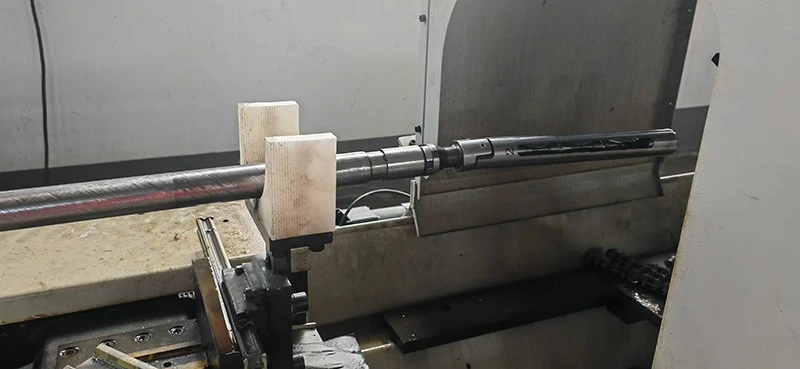
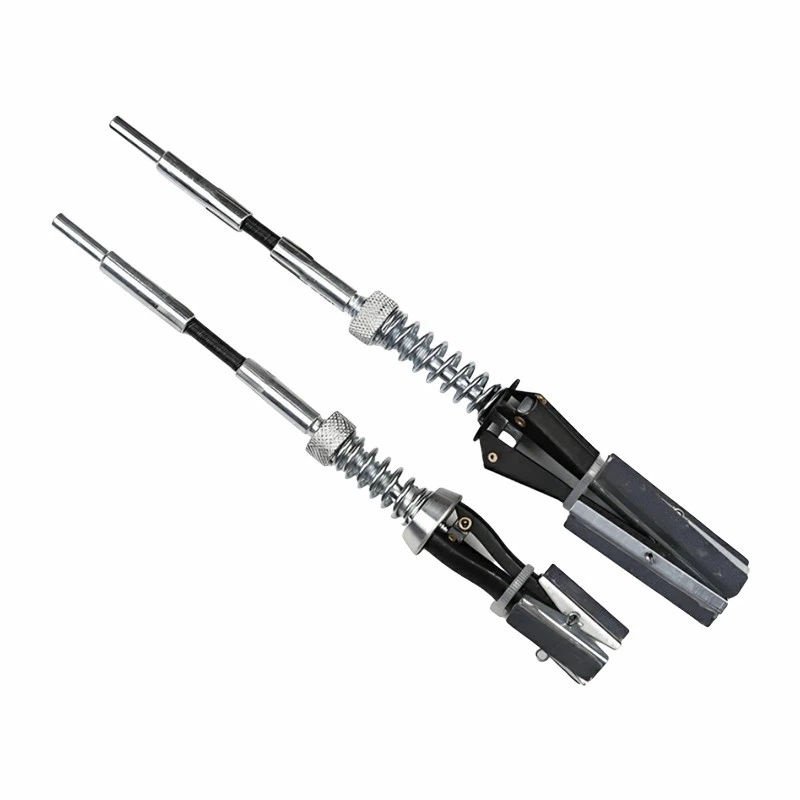
First off, what is honing? Honing is a machining process used to improve the geometric form and surface finish of a workpiece, typically a cylindrical bore. The honing shaft is an essential component of a honing machine. It holds the honing tools and rotates them inside the bore to achieve the desired finish.
The rotational speed of a honing shaft is measured in revolutions per minute (RPM). This speed can vary widely depending on several factors, including the material of the workpiece, the diameter of the bore, and the type of honing tools being used.
Let's start with the material of the workpiece. Different materials have different hardness and machinability. For example, softer materials like aluminum can generally tolerate higher rotational speeds compared to harder materials like stainless steel. When honing aluminum, you might be able to get away with a rotational speed of 100 - 200 RPM. On the other hand, when working with stainless steel, a lower speed of around 50 - 100 RPM might be more appropriate. This is because harder materials generate more heat during the honing process, and higher speeds can lead to excessive heat buildup, which can damage the honing tools and the workpiece.
The diameter of the bore also plays a significant role in determining the rotational speed. Smaller bores usually require higher rotational speeds than larger ones. This is because the linear speed (the speed at which the honing tool moves along the surface of the bore) needs to be maintained within a certain range for effective honing. For a small bore with a diameter of less than 1 inch, you might need a rotational speed of 150 - 300 RPM. For larger bores, say 6 inches or more, a speed of 30 - 80 RPM could be sufficient.
The type of honing tools is another important factor. There are different types of honing tools available, such as abrasive stones and diamond - coated tools. Diamond - coated honing tools are generally more durable and can handle higher speeds compared to abrasive stones. They can be used at speeds up to 200 RPM or more in some cases, depending on the application. Abrasive stone honing tools, while still effective, might need to be used at lower speeds, especially when working with hard materials or large - diameter bores.
Now, why is the rotational speed so important? Well, if the speed is too low, the honing process will take longer, and you might not achieve the desired surface finish. The honing tools might not be able to remove material efficiently, leading to uneven surfaces. On the other hand, if the speed is too high, it can cause excessive wear on the honing tools, generate too much heat, and even damage the workpiece. So, finding the right balance is key.
At our company, we understand the importance of getting the rotational speed right. That's why we offer a wide range of honing shafts that are designed to work at different speeds to suit various applications. Our honing shafts are made from high - quality materials and are precision - engineered to ensure smooth and accurate rotation.
If you're in the market for a honing shaft, or if you're looking for other honing machine parts like Portable Hone Machine or Honing Tools, we've got you covered. You can check out our Honing Shaft selection on our website.
We also offer technical support to help you determine the best rotational speed for your specific application. Our team of experts has years of experience in the honing industry and can provide you with valuable advice and guidance. Whether you're a small - scale workshop or a large - scale manufacturing plant, we can work with you to meet your honing needs.
So, if you're interested in learning more about our products or if you have any questions about the rotational speed of a honing shaft, don't hesitate to reach out. We're here to help you get the most out of your honing process and ensure that you achieve the best possible results.
In conclusion, the rotational speed of a honing shaft is a critical parameter that depends on multiple factors. By understanding these factors and choosing the right speed, you can improve the efficiency and quality of your honing operations. And if you need a reliable honing shaft supplier, we're just a message away.
References
- ASM Handbook: Machining, Volume 16, ASM International
- Fundamentals of Modern Manufacturing: Materials, Processes, and Systems by Mikell P. Groover


