

Hey there! As a honing head supplier, I often get asked about the difference between a rough - honing head and a finish - honing head. In this blog, I'll break down these differences to help you understand which one is right for your specific needs.
Let's start with rough - honing heads. These bad boys are designed for the initial stages of the honing process. Their main job is to remove a relatively large amount of material quickly. When you've got a workpiece that's way off spec, or it has a lot of surface imperfections, a rough - honing head is your go - to tool.
The abrasive stones on a rough - honing head are coarser compared to those on a finish - honing head. This coarseness allows them to cut through the material at a faster rate. Think of it like using a big, aggressive saw to cut through a thick piece of wood. The coarse abrasives on the rough - honing head bite into the surface of the workpiece, removing metal, plastic, or whatever material you're working with in large chunks.
One of the key features of a rough - honing head is its ability to correct major geometric errors. For example, if a bore is out of round or has taper, the rough - honing head can start to bring it back into the desired shape. It's like a sculptor using a big chisel to rough out the basic form of a statue.
Now, let's talk about the finish - honing head. This is the tool you use after the rough - honing process is complete. Its main purpose is to achieve a high - quality surface finish and precise dimensional accuracy. The abrasive stones on a finish - honing head are much finer. They're like the fine sandpaper you use to smooth out the surface of a piece of furniture after you've done the major shaping.

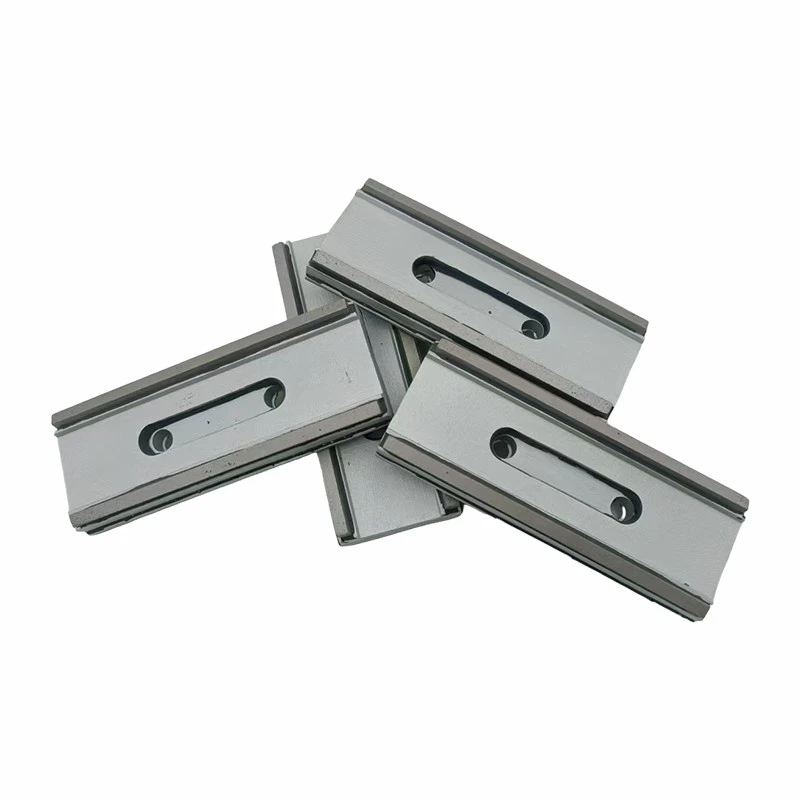
The finish - honing head works by removing a very small amount of material. It's all about refining the surface and getting those tight tolerances you need. You'll often use a finish - honing head to achieve a specific surface roughness value, which is crucial in many applications, such as in the automotive or aerospace industries.
In terms of the honing process, rough - honing is usually done at a higher feed rate and with more pressure applied to the honing head. This is because you're trying to remove as much material as possible in a short amount of time. On the other hand, finish - honing is done at a lower feed rate and with less pressure. You want to be gentle with the workpiece to avoid over - removing material and ruining the surface finish.
Another difference lies in the design of the honing heads themselves. Rough - honing heads are typically more robust and built to withstand the high forces and stresses associated with rapid material removal. They may have a simpler design, focusing mainly on the cutting ability of the abrasive stones. Finish - honing heads, however, often have more complex designs. They may include features like adjustable stone pressure, which allows for more precise control over the honing process.
Let's take a look at some real - world applications to better understand these differences. Suppose you're manufacturing engine cylinders. First, you'd use a rough - honing head to quickly remove any excess material from the bore and correct any major geometric errors. After that, you'd switch to a finish - honing head to achieve the smooth surface finish and tight dimensional tolerances required for proper engine performance.
Now, I know you might be wondering where you can find the right honing heads and related equipment for your needs. Well, we offer a range of honing heads, and we also have some great related products. For instance, if you're looking for a honing machine that can be driven by a hand drill, check out our Hand Drill Driven Honing Machine. It's a very versatile option, especially for smaller - scale projects or on - site repairs.
If you need something more portable, our Portable Hone Machine is a great choice. You can take it with you wherever you need to do honing work. And don't forget about the abrasive stones. Our Diamond Honging Stone is top - notch and can be used with both rough - and finish - honing heads depending on your requirements.
When it comes to choosing between a rough - honing head and a finish - honing head, it all boils down to your specific application. If you're dealing with a workpiece that needs major material removal and shape correction, go for the rough - honing head. But if you're aiming for a high - quality surface finish and precise dimensions, the finish - honing head is what you need.
We're here to help you make the right choice. Whether you're a small - scale workshop or a large - scale manufacturing plant, we've got the honing solutions for you. If you're interested in purchasing our honing heads or any of our related products, don't hesitate to reach out. We can have a detailed discussion about your needs, and we'll do our best to provide you with the perfect honing equipment.
In conclusion, understanding the difference between a rough - honing head and a finish - honing head is crucial for achieving the best results in your honing operations. By choosing the right tool for the job, you can save time, improve the quality of your workpieces, and ultimately increase your productivity. So, if you've got any questions or if you're ready to start a purchase, just let us know. We're looking forward to working with you!
References:
- Industry knowledge and experience in honing head manufacturing and supply.
- Technical manuals and specifications of honing equipment.


