

As a supplier of honing tools, I've had the privilege of engaging with a diverse range of customers, from seasoned machinists to budding DIY enthusiasts. One question that frequently surfaces in our conversations is, "What is the best angle to use a honing tool?" In this blog post, I'll delve into this topic, exploring the science behind honing angles and offering practical advice to help you achieve optimal results.
Understanding the Basics of Honing
Before we dive into the specifics of honing angles, let's take a moment to understand the fundamental principles of honing. Honing is a precision machining process used to improve the surface finish, roundness, and straightness of a cylindrical bore. It involves using a honing tool, typically equipped with abrasive stones, to remove a small amount of material from the bore's surface.
The honing process consists of two main motions: rotational and reciprocating. The rotational motion of the honing tool causes the abrasive stones to cut into the bore's surface, while the reciprocating motion ensures that the stones cover the entire length of the bore evenly. By carefully controlling these motions and the pressure applied to the honing tool, machinists can achieve the desired surface finish and dimensional accuracy.
The Importance of Honing Angle
The honing angle, also known as the crosshatch angle, plays a crucial role in the honing process. It refers to the angle formed by the intersection of the abrasive stone's cutting paths on the bore's surface. The crosshatch pattern created by the honing process serves several important functions:
- Lubrication: The crosshatch pattern helps to retain lubricating oil on the bore's surface, reducing friction and wear between the piston and the cylinder wall.
- Oil Distribution: The pattern ensures that the lubricating oil is evenly distributed across the bore's surface, preventing dry spots and reducing the risk of engine failure.
- Break-In: During the engine's break-in period, the crosshatch pattern allows the piston rings to seat properly against the cylinder wall, improving compression and reducing oil consumption.
Determining the Best Honing Angle
The optimal honing angle depends on several factors, including the type of engine, the application, and the material being honed. In general, the crosshatch angle for automotive engines typically ranges from 20 to 45 degrees. However, for high-performance engines or applications that require a smoother surface finish, a smaller crosshatch angle may be preferred.
To determine the best honing angle for your specific application, it's important to consult the engine manufacturer's specifications or seek advice from a qualified machinist. They can provide you with the recommended crosshatch angle based on the engine's design, performance requirements, and the type of piston rings being used.
Factors Affecting Honing Angle
Several factors can affect the honing angle, including the honing tool's design, the rotational and reciprocating speeds, and the pressure applied to the tool. Let's take a closer look at each of these factors:

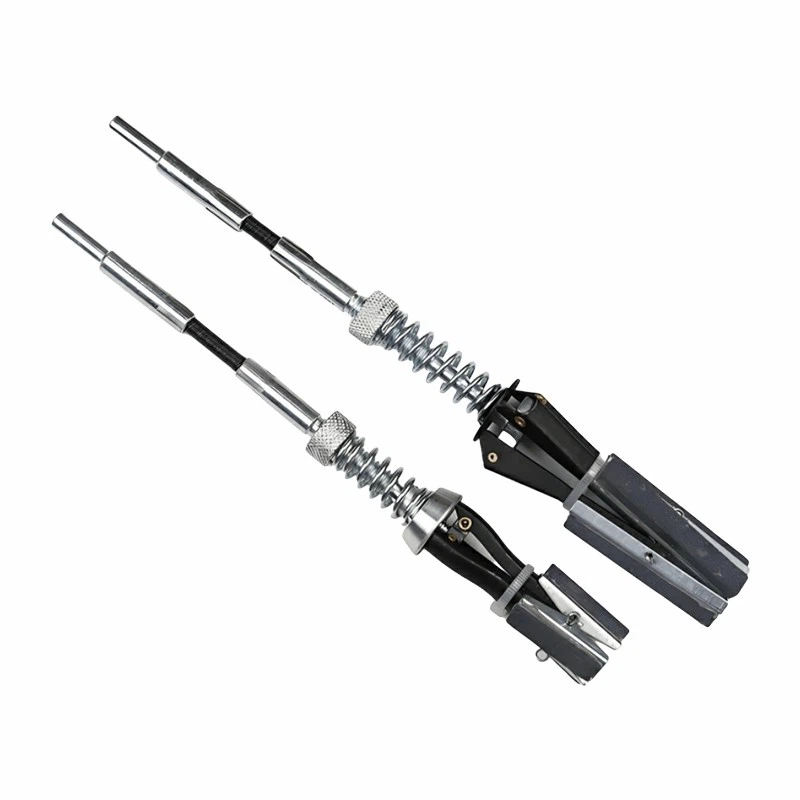
- Honing Tool Design: The design of the honing tool, including the shape and size of the abrasive stones, can have a significant impact on the crosshatch angle. Some honing tools are designed to produce a specific crosshatch angle, while others allow for adjustable angles.
- Rotational and Reciprocating Speeds: The rotational and reciprocating speeds of the honing tool determine the rate at which the abrasive stones cut into the bore's surface. By adjusting these speeds, you can control the crosshatch angle and the surface finish of the bore.
- Pressure: The pressure applied to the honing tool affects the depth of cut and the amount of material removed from the bore's surface. Too much pressure can result in a larger crosshatch angle and a rougher surface finish, while too little pressure may not produce the desired crosshatch pattern.
Practical Tips for Achieving the Best Honing Angle
Here are some practical tips to help you achieve the best honing angle and ensure optimal results:
- Use the Right Honing Tool: Choose a honing tool that is specifically designed for your application and the material being honed. Consider factors such as the tool's size, shape, and the type of abrasive stones used.
- Follow the Manufacturer's Instructions: Always follow the manufacturer's instructions when using a honing tool. This includes setting the correct rotational and reciprocating speeds, applying the appropriate pressure, and using the recommended lubricant.
- Monitor the Crosshatch Angle: Use a magnifying glass or a bore scope to monitor the crosshatch angle during the honing process. Adjust the honing tool's settings as needed to achieve the desired angle.
- Use High-Quality Lubricant: Using a high-quality Honing Fluids is essential for achieving the best honing results. The lubricant helps to reduce friction, cool the abrasive stones, and flush away the debris generated during the honing process.
- Inspect the Bore: After honing, inspect the bore's surface using a bore gauge or a micrometer to ensure that the desired surface finish and dimensional accuracy have been achieved. If necessary, make any adjustments to the honing process and repeat the honing operation.
Choosing the Right Honing Tool
As a honing tool supplier, I understand the importance of choosing the right tool for the job. That's why we offer a wide range of honing tools to meet the needs of our customers, including Portable Hone Machine and Hand Drill Driven Honing Machine. Our honing tools are designed to provide precise and consistent results, making them ideal for both professional machinists and DIY enthusiasts.
When choosing a honing tool, consider the following factors:
- Type of Engine: Different engines require different honing tools. Make sure to choose a tool that is compatible with your engine's specifications and requirements.
- Application: Consider the specific application for which you'll be using the honing tool. For example, if you're honing a cylinder bore for a high-performance engine, you may need a tool that can produce a smaller crosshatch angle.
- Material Being Honed: The material being honed also affects the choice of honing tool. Different materials require different types of abrasive stones and honing techniques.
- Budget: Honing tools can vary in price depending on their features and quality. Set a budget and choose a tool that offers the best value for your money.
Conclusion
In conclusion, the honing angle is a critical factor in the honing process. By understanding the importance of the crosshatch angle and how it affects the engine's performance, you can choose the right honing tool and achieve the best possible results. Remember to consult the engine manufacturer's specifications, follow the recommended honing procedures, and use high-quality honing fluids to ensure optimal performance and longevity.
If you have any questions or need further assistance in choosing the right honing tool for your application, please don't hesitate to contact us. Our team of experts is always ready to help you find the perfect solution for your honing needs. We look forward to the opportunity to work with you and help you achieve your machining goals.
References
- "Honing: Principles and Practice" by John A. Schey
- "Automotive Engine Rebuilding" by James D. Halderman
- "Engine Machining Handbook" by Jeff Smith


