

Portable hone machines have become indispensable tools in various industries, offering flexibility and efficiency in precision machining tasks. As a leading supplier of portable hone machines, I often encounter questions from customers regarding the power sources these machines use. In this blog post, I'll delve into the different power sources available for portable hone machines, their advantages, and considerations for choosing the right one.
Electric Power Sources
Electricity is one of the most common power sources for portable hone machines. There are two main types of electric power sources: corded and cordless.
Corded Electric Hone Machines
Corded electric hone machines are directly connected to a power outlet using an electrical cord. This type of power source offers several advantages. Firstly, it provides a consistent and reliable power supply, ensuring that the machine operates at a stable speed and performance. This is particularly important for precision honing tasks where any fluctuations in power can affect the quality of the finished product.
Secondly, corded machines generally have more power compared to their cordless counterparts. This allows them to handle more demanding honing jobs, such as working on larger or harder materials. They are also suitable for continuous use in industrial settings where long periods of operation are required.
However, corded electric hone machines also have some limitations. The most obvious drawback is the restriction imposed by the cord. The length of the cord determines the range of movement of the machine, which can be a hindrance in some work environments. Additionally, the need for a nearby power outlet can limit the portability of the machine, especially in remote or outdoor locations.
Cordless Electric Hone Machines
Cordless electric hone machines are powered by rechargeable batteries. This type of power source offers greater flexibility and portability compared to corded machines. Without the constraint of a cord, operators can move freely around the workpiece, making it easier to access hard-to-reach areas. Cordless machines are also ideal for use in outdoor or remote locations where a power outlet may not be available.
Modern cordless batteries have made significant advancements in terms of capacity and performance. Lithium-ion batteries, in particular, offer high energy density, long run times, and fast charging capabilities. This allows cordless hone machines to provide sufficient power for most honing tasks, although they may still have limitations when it comes to heavy-duty or continuous use.
One of the main considerations when using cordless electric hone machines is battery life. Operators need to ensure that they have fully charged batteries on hand to avoid interruptions during the honing process. Additionally, the cost of replacing batteries over time can add up, so it's important to factor this into the overall cost of ownership.
Pneumatic Power Sources
Pneumatic portable hone machines are powered by compressed air. These machines are commonly used in industrial settings where compressed air is readily available. Pneumatic power offers several advantages for hone machines.
Firstly, pneumatic machines are known for their high power-to-weight ratio. They can deliver a significant amount of torque and speed, making them suitable for heavy-duty honing applications. Pneumatic machines are also relatively simple in design, with fewer moving parts compared to electric machines. This results in lower maintenance requirements and longer service life.
Secondly, pneumatic hone machines are inherently safe to use. Since they do not rely on electricity, there is no risk of electrical shock or short circuits. This makes them a popular choice in environments where safety is a top priority, such as in explosive or flammable atmospheres.
However, pneumatic power sources also have some limitations. The need for a compressed air supply can be a drawback in terms of portability. Operators need to have access to a compressor or a compressed air system, which may not be practical in all work environments. Additionally, the noise level associated with pneumatic machines can be relatively high, which may require the use of hearing protection.
Hydraulic Power Sources
Hydraulic power sources are less common in portable hone machines but are still used in some specialized applications. Hydraulic hone machines use hydraulic fluid to generate power and operate the honing mechanism.
One of the main advantages of hydraulic power is its ability to deliver high levels of force and torque. Hydraulic machines can handle extremely heavy honing tasks, such as machining large-diameter holes or working with tough materials. They are also known for their smooth and precise operation, which is essential for achieving high-quality honing results.
Hydraulic hone machines are typically more complex and expensive compared to electric or pneumatic machines. They require a hydraulic pump, reservoir, and a system of hoses and valves to operate. This increases the maintenance requirements and the overall cost of ownership. Additionally, the weight and size of hydraulic components can make the machine less portable.
Choosing the Right Power Source
When choosing a power source for a portable hone machine, several factors need to be considered.
Application Requirements
The type of honing application is one of the most important factors in determining the appropriate power source. For light-duty or occasional honing tasks, a cordless electric or pneumatic machine may be sufficient. These machines offer the flexibility and portability needed for small-scale projects. On the other hand, heavy-duty or continuous honing applications may require a corded electric or hydraulic machine to provide the necessary power and performance.
Work Environment
The work environment also plays a crucial role in the choice of power source. If the honing work is to be done in a location with easy access to a power outlet, a corded electric machine may be a good option. However, if the work is to be carried out in a remote or outdoor location, a cordless electric or pneumatic machine would be more suitable. In environments where safety is a concern, such as in explosive or flammable atmospheres, a pneumatic machine may be the preferred choice.
Cost
Cost is another important consideration. Cordless electric machines are generally more expensive upfront compared to corded machines due to the cost of the battery and charger. However, they may offer lower operating costs in the long run, especially if the machine is used infrequently. Pneumatic and hydraulic machines can also be relatively expensive, especially when considering the cost of the compressed air system or hydraulic components.
Accessories for Portable Hone Machines
In addition to the power source, there are several accessories that can enhance the performance and functionality of portable hone machines.
Diamond Honging Stone
Diamond honing stones are a popular choice for honing applications due to their high hardness and durability. They can provide a smooth and precise finish on a variety of materials, including metals, ceramics, and composites. You can find high-quality Diamond Honging Stone on our website.
Honing Oil
Honing oil is used to lubricate and cool the honing process, reducing friction and heat generation. It also helps to flush away debris and chips, ensuring a clean and efficient honing operation. Our Honing Oil is specially formulated to provide optimal performance in honing applications.
Honing Fluids
Honing fluids are similar to honing oil but are designed for use in specific types of honing machines or applications. They can offer additional benefits such as corrosion protection and improved surface finish. Check out our range of Honing Fluids for more options.
Conclusion
In conclusion, the choice of power source for a portable hone machine depends on a variety of factors, including the application requirements, work environment, and cost. Electric power sources, both corded and cordless, offer flexibility and convenience, while pneumatic and hydraulic power sources provide high levels of force and performance. By carefully considering these factors and choosing the right power source, you can ensure that your portable hone machine meets your specific needs and delivers optimal results.

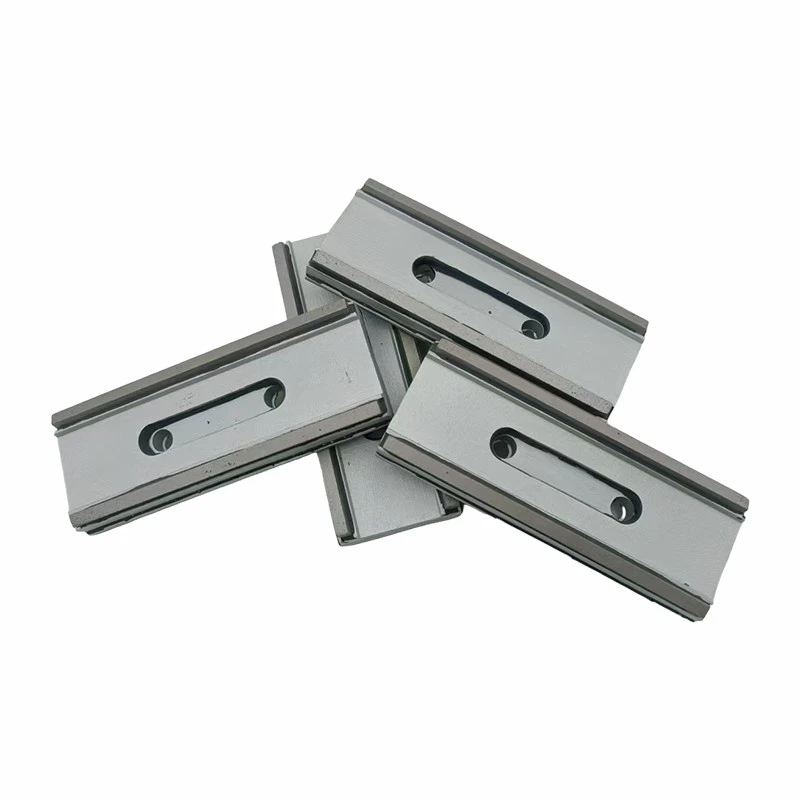
If you're interested in purchasing a portable hone machine or any of the accessories mentioned in this blog post, please feel free to contact us for more information and to discuss your requirements. We're here to help you find the best solution for your honing needs.
References
- ASM Handbook, Volume 16: Machining, ASM International
- Machinery's Handbook, Industrial Press Inc.
- Precision Machining Technology, John Wiley & Sons


