

Hey there! As a supplier of small hole honing machines, I often get asked about the differences between small hole honing machines and regular honing machines. So, I thought I'd write this blog to break it down for you in a simple and easy - to - understand way.
Let's start with the basics. A honing machine, in general, is used to improve the surface finish, roundness, and straightness of a bore. It's a crucial tool in the manufacturing industry, especially for parts that require high precision, like engine cylinders, hydraulic cylinders, and bearings.
Regular Honing Machines
Regular honing machines are designed to work on a wide range of bore sizes. They are the workhorses of the honing world, capable of handling large - scale production and a variety of bore diameters. These machines are often used in heavy - duty manufacturing environments where they can process large parts with different requirements.
One of the main features of regular honing machines is their versatility. They can be equipped with different types of honing tools and abrasives to suit various materials and finishing requirements. For example, if you're working on a steel part that needs a high - gloss finish, you can choose a specific abrasive and honing pattern.
Regular honing machines also come in different configurations. There are Automatic Honing Machine that can perform the honing process with minimal human intervention. These are great for high - volume production as they can increase efficiency and reduce labor costs. Then, there are Precision Honing Machine which are designed for extremely accurate work. They use advanced control systems to ensure the tightest tolerances possible. And let's not forget about Twin Spindle Vertical Honing Machine, which can work on two bores simultaneously, further increasing productivity.
However, regular honing machines do have some limitations. They are usually large and bulky, which means they require a significant amount of floor space in the factory. Also, they may not be the best choice for small - scale or specialized jobs, especially when dealing with very small bores.
Small Hole Honing Machines
Now, let's talk about small hole honing machines. As the name suggests, these machines are specifically designed to work on small bores. The definition of "small" can vary, but generally, we're talking about bores with diameters ranging from a few millimeters to around 50 millimeters.
One of the key differences between small hole honing machines and regular honing machines is the size and design of the honing tools. Small hole honing tools are much more delicate and precise. They need to be able to fit into tiny spaces and provide a uniform finish. These tools are often made with high - quality materials and advanced manufacturing techniques to ensure accuracy and durability.
Another important aspect is the control system. Small hole honing machines require a high - level of precision control. Since the bores are so small, even the slightest deviation can affect the final quality of the part. These machines use advanced sensors and control algorithms to monitor and adjust the honing process in real - time. This ensures that the bore meets the exact specifications, such as roundness, straightness, and surface finish.
Small hole honing machines are also more compact and portable compared to regular honing machines. They are ideal for small - scale workshops or for applications where space is limited. For example, in the medical device industry, where many components have small bores, a small hole honing machine can be easily integrated into the production line.
However, small hole honing machines have their own set of challenges. They are often more expensive on a per - unit basis because of the high - precision components and advanced technology they use. Also, the honing process for small holes can be more time - consuming, as it requires more careful control and monitoring.
Performance Comparison
When it comes to performance, both types of machines have their strengths. Regular honing machines excel in high - volume production of large - sized bores. They can handle a wide range of materials and finish requirements, and with the right setup, they can achieve very good results in terms of accuracy and surface finish.
On the other hand, small hole honing machines are unbeatable when it comes to small - bore applications. They can achieve a level of precision that is simply not possible with regular honing machines. For example, in the aerospace industry, where small - bore components need to meet extremely strict tolerances, a small hole honing machine is the go - to choice.
Cost Considerations
Cost is always an important factor in any manufacturing decision. Regular honing machines, while more expensive upfront in terms of the machine itself, can be more cost - effective in the long run for high - volume production. The cost per part can be relatively low because of the high productivity and the ability to handle multiple jobs with a single machine.
Small hole honing machines, as mentioned earlier, are more expensive on a per - unit basis. But if you're only dealing with small - bore parts, the cost may be justified by the high precision and quality they can deliver. Also, the compact size and portability of these machines can save on floor space costs in the factory.
Applications
Regular honing machines are widely used in industries such as automotive, heavy machinery, and general manufacturing. They are used to hone engine cylinders, transmission components, and large - scale hydraulic parts.
Small hole honing machines, on the other hand, find their applications in industries like medical devices, aerospace, and electronics. In the medical field, they are used to hone the bores of surgical instruments and implants. In the aerospace industry, they are used for small - bore components in engines and avionics systems.
Conclusion
In conclusion, the main difference between a small hole honing machine and a regular honing machine lies in their design, capabilities, and applications. Regular honing machines are versatile workhorses for large - scale production, while small hole honing machines are specialized tools for high - precision small - bore work.
If you're in the market for a honing machine, it's important to carefully consider your specific needs. If you're dealing with large - scale production of large bores, a regular honing machine might be the best choice. But if you need to work on small bores with high precision, then a small hole honing machine is what you're looking for.

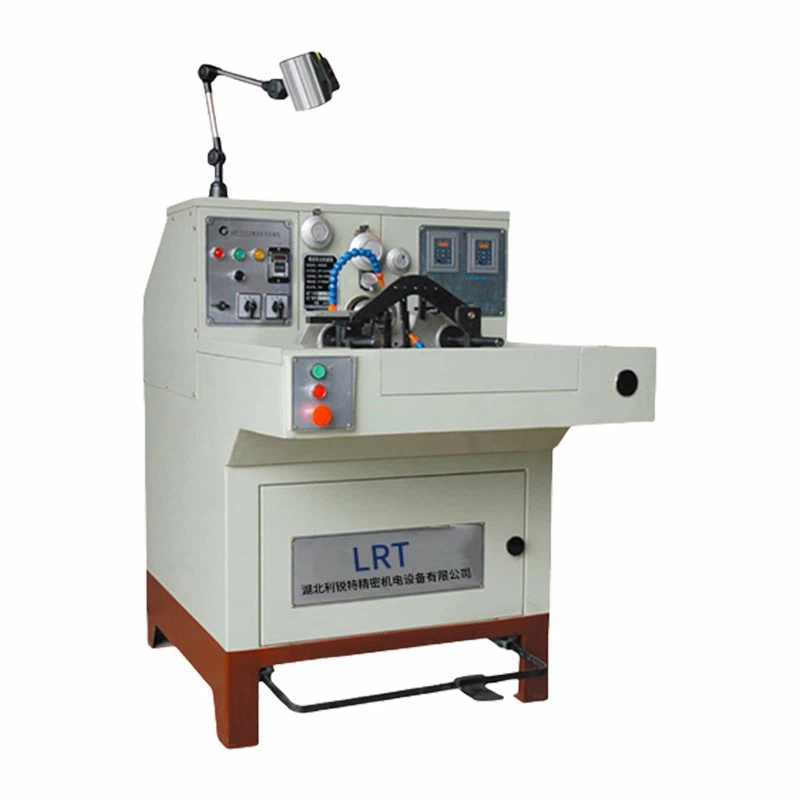
As a supplier of small hole honing machines, I'm here to help you make the right decision. Whether you have questions about the technology, performance, or cost, feel free to reach out. We can have a detailed discussion about your requirements and find the best solution for your manufacturing needs. Let's work together to take your production to the next level!
References
- "Honing Technology Handbook" - A comprehensive guide on honing processes and machines.
- Industry reports on manufacturing trends in the automotive, aerospace, and medical device sectors.


