

Hey there! As a honing shaft supplier, I've seen firsthand how crucial it is to pick the right honing stone for your honing shaft. It can make or break your honing process, affecting everything from the finish quality to the overall lifespan of your equipment. So, let's dive into how you can select the perfect honing stone for your honing shaft.
Understanding the Basics of Honing Stones
First things first, let's talk about what honing stones are and how they work. Honing stones are abrasive tools used to refine the surface finish of a workpiece. They come in different shapes, sizes, and materials, each designed for specific applications. The most common types of honing stones include silicon carbide, aluminum oxide, and diamond.
Silicon carbide stones are known for their sharpness and are great for honing hard materials like carbide and ceramics. Aluminum oxide stones, on the other hand, are more versatile and can be used on a wide range of materials, including steel and cast iron. Diamond stones are the most expensive but also the most durable and effective for honing extremely hard materials.
Factors to Consider When Selecting a Honing Stone
Now that you have a basic understanding of honing stones, let's look at the factors you should consider when selecting the right one for your honing shaft.
1. Material of the Workpiece
The material of the workpiece is one of the most important factors to consider when choosing a honing stone. Different materials require different types of abrasives to achieve the best results. For example, if you're honing a steel workpiece, an aluminum oxide stone would be a good choice. If you're working with a hard material like carbide, a diamond stone would be more suitable.
2. Surface Finish Requirements
The surface finish you want to achieve is another crucial factor. If you need a very smooth finish, you'll need a finer grit honing stone. Coarser grit stones are better for removing material quickly but may leave a rougher surface. You'll need to balance the need for material removal with the desired surface finish.
3. Honing Machine Compatibility
Make sure the honing stone you choose is compatible with your honing machine. Different machines have different requirements in terms of stone size, shape, and mounting. You don't want to end up with a stone that doesn't fit or work properly with your machine.
4. Cost
Cost is always a consideration. Diamond stones are the most expensive but offer the longest lifespan and best performance. Silicon carbide and aluminum oxide stones are more affordable but may need to be replaced more frequently. You'll need to weigh the cost against the benefits and your budget.
Types of Honing Stones and Their Applications
Let's take a closer look at the different types of honing stones and their applications.
Silicon Carbide Honing Stones
Silicon carbide stones are very sharp and aggressive. They're great for honing hard materials like carbide, ceramics, and glass. They're also useful for removing large amounts of material quickly. However, they can be a bit too aggressive for some applications and may leave a rougher surface finish.
Aluminum Oxide Honing Stones
Aluminum oxide stones are more versatile and can be used on a wide range of materials, including steel, cast iron, and non-ferrous metals. They're less aggressive than silicon carbide stones, which makes them better for achieving a smooth surface finish. They're also more affordable and have a longer lifespan.
Diamond Honing Stones
Diamond stones are the most expensive but also the most effective for honing extremely hard materials. They offer a very smooth surface finish and can last a long time. They're often used in precision applications where a high level of accuracy is required. You can check out Diamond Honging Stone for more options.
How to Choose the Right Grit
The grit of a honing stone refers to the size of the abrasive particles. A lower grit number means coarser particles, which are better for removing material quickly. A higher grit number means finer particles, which are better for achieving a smooth surface finish.
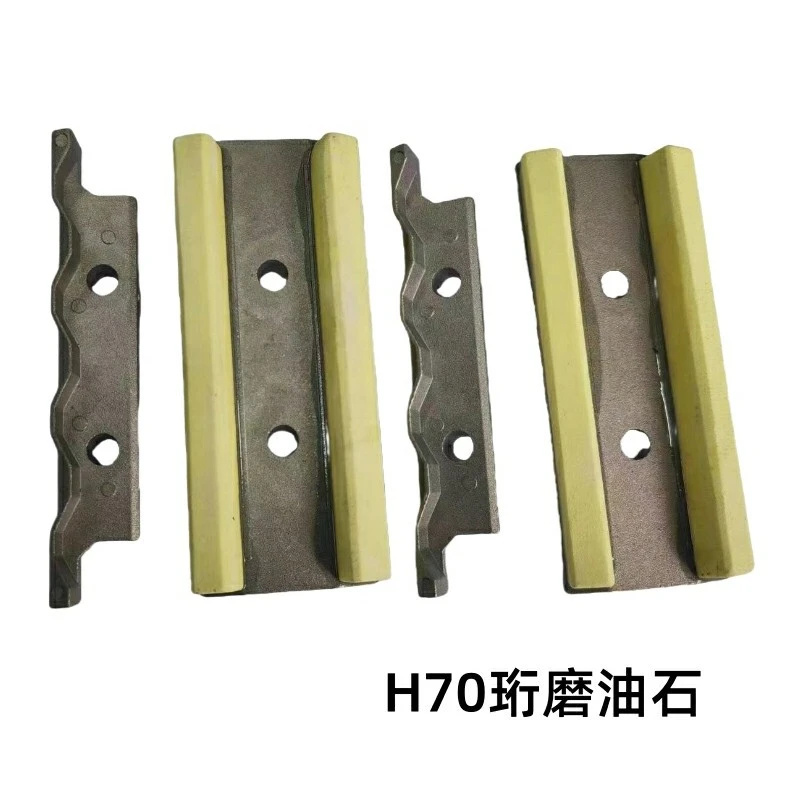

If you're starting with a rough surface and need to remove a lot of material, you'll want to start with a coarser grit stone. Once you've removed most of the material, you can switch to a finer grit stone to achieve the desired surface finish.
Tips for Using Honing Stones
Here are some tips to help you get the most out of your honing stones:
- Keep the stone clean: Regularly clean the honing stone to remove debris and prevent clogging. This will ensure that the stone continues to perform effectively.
- Use the right lubricant: Using the right lubricant can help reduce friction and heat, which can extend the life of the stone and improve the surface finish.
- Follow the manufacturer's instructions: Each honing stone is different, so make sure you follow the manufacturer's instructions for use and maintenance.
Where to Find the Right Honing Stone
As a honing shaft supplier, I can tell you that there are many places to find the right honing stone. You can check out local hardware stores, industrial supply stores, or online retailers. Online platforms often offer a wider selection and competitive prices. You can also explore Honing Tools for a variety of options.
If you're using a hand drill driven honing machine, you might want to check out Hand Drill Driven Honing Machine for compatible honing stones.
Conclusion
Selecting the right honing stone for your honing shaft is essential for achieving the best results. By considering factors like the material of the workpiece, surface finish requirements, honing machine compatibility, and cost, you can make an informed decision. Remember to choose the right grit, keep the stone clean, and follow the manufacturer's instructions. If you have any questions or need help selecting the right honing stone, don't hesitate to reach out for a procurement discussion. We're here to help you get the most out of your honing process.
References
- "Honing Technology Handbook" by Peter Ostwald
- "Manufacturing Processes for Engineering Materials" by Serope Kalpakjian and Steven Schmid


