

Do honing tools work on stainless - steel blades?
As a passionate supplier of honing tools, this is a question I often encounter in the industry. Stainless - steel blades are widely used in various applications, from kitchen knives to industrial cutting tools, due to their excellent corrosion resistance and durability. But the question remains: how effective are honing tools on these robust stainless - steel blades?
To start with, let's understand what honing actually means. Honing is a precision machining process that is used to improve the geometric form of a surface, as well as to enhance its surface finish. It involves using a honing stone or abrasive tool to remove a small amount of material from the surface of the workpiece. Unlike sharpening, which is more about creating a new edge, honing is about refining and maintaining an existing edge, making it sharper and more precise.
Stainless - steel blades, despite their strength, have some unique characteristics that can affect the honing process. Stainless steel typically contains at least 10.5% chromium, which forms a passive layer on the surface, protecting it from corrosion. However, this alloy composition also makes the steel harder and more wear - resistant compared to some other types of steels. This hardness can be both an advantage and a challenge when it comes to honing.
One of the key factors in determining the effectiveness of honing tools on stainless - steel blades is the type of honing abrasive used. Honing Abrasives are available in a variety of materials, each with its own properties. For example, silicon carbide abrasives are known for their high cutting ability and are suitable for relatively soft materials. But for stainless - steel blades, which are harder, diamond abrasives are often a better choice.
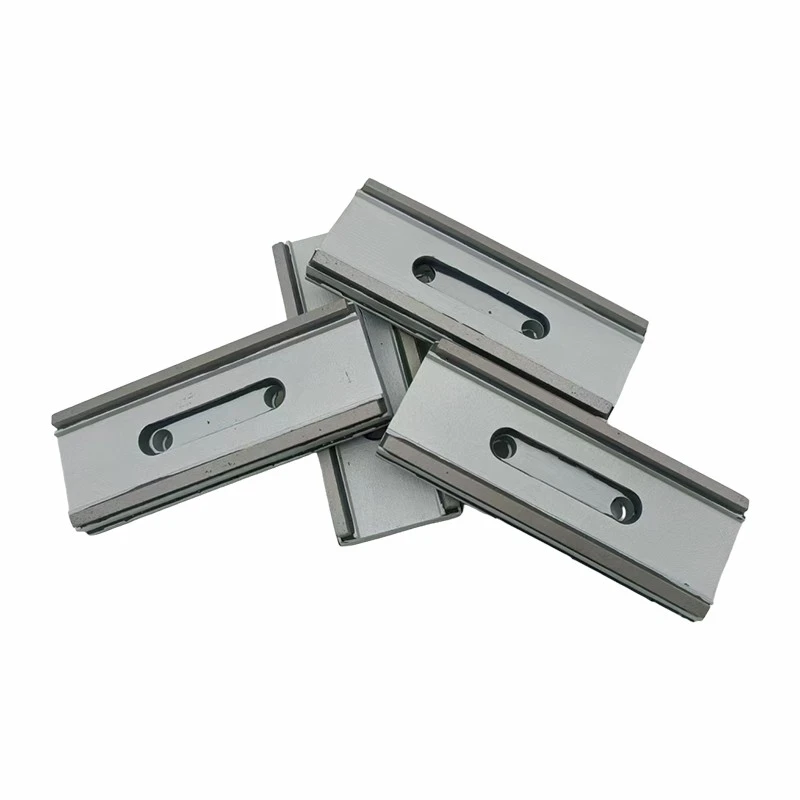

Diamond abrasives are extremely hard and can effectively cut through the tough surface of stainless steel. Diamond Honging Stone is a popular option in the industry. These stones are made by embedding diamond particles in a bonding material, and they can provide a very fine and precise honing action. The diamond particles are able to scratch and remove the microscopic asperities on the surface of the stainless - steel blade, resulting in a smoother and sharper edge.
Another important aspect of the honing process is the use of Honing Fluids. Honing fluids play a crucial role in lubricating and cooling the cutting interface between the honing tool and the stainless - steel blade. They help to reduce friction, which in turn prevents excessive heat generation. Heat is a major concern when honing stainless - steel blades, as excessive heat can cause the blade to lose its temper, leading to a loss of hardness and performance. Honing fluids also help to flush away the debris removed during the honing process, ensuring a clean cutting environment.
When using honing tools on stainless - steel blades, the honing pressure and speed also need to be carefully controlled. Too much pressure can cause the honing tool to wear out quickly and may even damage the blade. On the other hand, too little pressure may result in ineffective honing. The optimal honing speed depends on the type of honing tool, the abrasive material, and the specific properties of the stainless - steel blade. Generally, a slower speed is preferred when honing stainless - steel blades to ensure better control and a more precise finish.
In addition to the technical aspects of honing, the design of the honing tool itself also matters. A well - designed honing tool should be able to conform to the shape of the stainless - steel blade. For example, some honing tools are designed with a curved or contoured surface to match the curvature of a knife blade. This allows for more even honing across the entire edge of the blade, ensuring a consistent sharpness.
Field tests and customer feedback have shown that properly selected and used honing tools can have a significant impact on the performance of stainless - steel blades. In kitchen applications, honing a stainless - steel knife regularly can keep it sharp for a longer period, making food preparation tasks easier and more efficient. In industrial settings, honing stainless - steel cutting tools can improve cutting quality, reduce downtime due to tool replacement, and increase overall productivity.
However, it's important to note that honing is not a one - size - fits - all solution for all stainless - steel blades. Some high - performance stainless - steel blades with complex geometries or special coatings may require more specialized honing techniques or tools. In such cases, our team of experts is always ready to provide personalized advice and solutions.
If you are in the business of using or manufacturing stainless - steel blades and are looking to enhance their performance through honing, we are here to serve you. Our wide range of honing tools, including the best - in - class Honing Abrasives, Honing Fluids, and Diamond Honging Stone, are designed to meet your specific needs. We are committed to providing high - quality products and excellent customer service. Whether you are a small - scale kitchenware manufacturer or a large - scale industrial enterprise, we can work with you to develop the most appropriate honing solutions for your stainless - steel blades. Get in touch with us to start a discussion about your honing requirements and explore how our products can make a difference in your operations.
References
- Johnson, R. (2020). The Science of Metalworking. Metalworking Press.
- Smith, A. (2019). Cutting Tool Technology. Tooling Insights Publishing.
- Brown, C. (2018). Advanced Honing Techniques. Manufacturing Excellence Books.


