

As a honing head supplier, I often encounter inquiries from customers about the versatility of honing heads. One common question is whether a honing head can be used for honing non-metallic materials. In this blog post, I will delve into this topic, exploring the feasibility, challenges, and potential applications of using honing heads on non-metallic materials.
Understanding Honing and Non-Metallic Materials
Honing is a precision machining process used to improve the surface finish, roundness, and dimensional accuracy of a workpiece. It involves the use of a honing head equipped with abrasive stones that rotate and reciprocate within a bore or on a flat surface. Traditionally, honing has been associated with metallic materials such as steel, cast iron, and aluminum. However, with advancements in technology and the development of new abrasive materials, honing has become increasingly applicable to non-metallic materials as well.
Non-metallic materials encompass a wide range of substances, including ceramics, plastics, composites, and glass. These materials are known for their unique properties, such as high hardness, low friction, and excellent chemical resistance. However, they also present challenges when it comes to machining, as they can be brittle, prone to cracking, and difficult to shape.
Feasibility of Honing Non-Metallic Materials
The feasibility of using a honing head for honing non-metallic materials depends on several factors, including the type of material, the desired surface finish, and the specific application. In general, honing can be used on non-metallic materials as long as the following conditions are met:
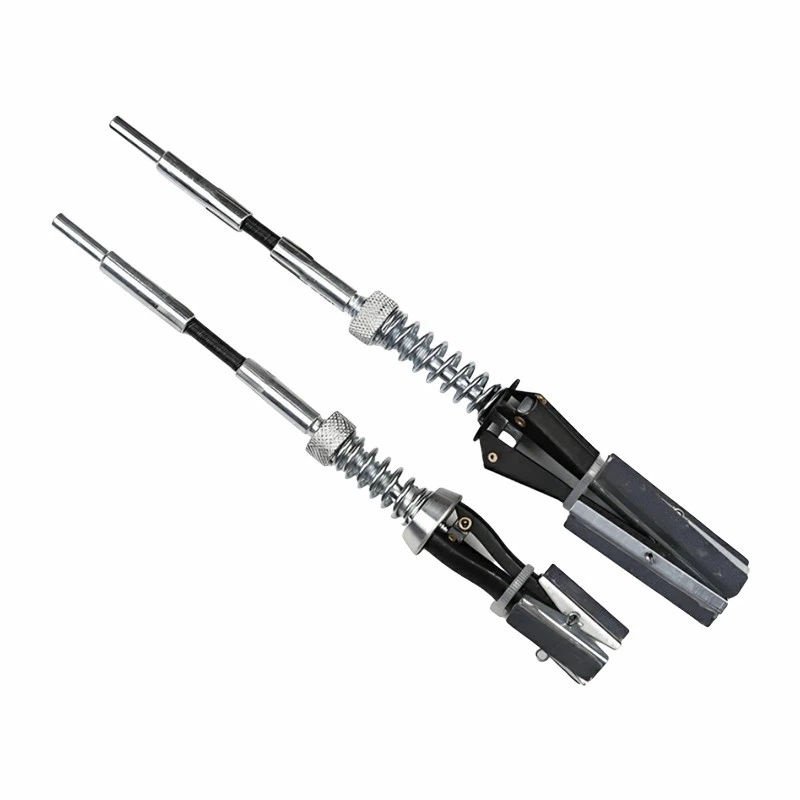

- Abrasive Selection: The abrasive stones used in the honing head must be compatible with the non-metallic material. Different materials require different types of abrasives, such as silicon carbide, diamond, or cubic boron nitride (CBN). The choice of abrasive depends on the hardness, toughness, and chemical composition of the material.
- Honing Parameters: The honing parameters, such as the rotational speed, feed rate, and pressure, must be carefully adjusted to prevent damage to the non-metallic material. Non-metallic materials are often more brittle than metals, so excessive pressure or high speeds can cause cracking or chipping.
- Coolant and Lubrication: The use of a coolant or lubricant is essential when honing non-metallic materials. Coolants help to dissipate heat, reduce friction, and prevent the buildup of debris. They also help to improve the surface finish and extend the life of the abrasive stones.
Challenges of Honing Non-Metallic Materials
While honing can be used on non-metallic materials, it also presents several challenges that need to be addressed. Some of the common challenges include:
- Brittleness: Non-metallic materials are often brittle and prone to cracking or chipping. This can make it difficult to achieve a smooth surface finish without causing damage to the material.
- Heat Generation: Honing generates heat, which can cause thermal stress and damage to the non-metallic material. This is especially true for materials with low thermal conductivity, such as ceramics and glass.
- Abrasive Wear: Non-metallic materials can be abrasive, which can cause rapid wear of the honing stones. This can lead to a decrease in the quality of the surface finish and an increase in the frequency of stone replacement.
- Surface Finish: Achieving a smooth surface finish on non-metallic materials can be challenging, as these materials often have a rough or porous surface. This can require the use of multiple honing passes or the use of a finer abrasive grit.
Potential Applications of Honing Non-Metallic Materials
Despite the challenges, honing can be used in a variety of applications involving non-metallic materials. Some of the potential applications include:
- Ceramic Components: Ceramics are widely used in the aerospace, automotive, and electronics industries due to their high strength, hardness, and heat resistance. Honing can be used to improve the surface finish and dimensional accuracy of ceramic components, such as engine valves, bearings, and seals.
- Plastic Parts: Plastics are used in a variety of applications, including consumer products, medical devices, and automotive components. Honing can be used to improve the surface finish and reduce friction of plastic parts, such as gears, bushings, and housings.
- Composite Materials: Composites are made up of two or more materials with different properties, such as fibers and resins. Honing can be used to improve the surface finish and dimensional accuracy of composite materials, such as carbon fiber composites and fiberglass composites.
- Glass Components: Glass is used in a variety of applications, including optical lenses, windows, and display screens. Honing can be used to improve the surface finish and reduce the roughness of glass components, such as lenses and mirrors.
Choosing the Right Honing Head for Non-Metallic Materials
When choosing a honing head for non-metallic materials, it is important to consider the following factors:
- Abrasive Type: As mentioned earlier, the abrasive type used in the honing head must be compatible with the non-metallic material. Silicon carbide and diamond are commonly used abrasives for non-metallic materials, as they offer high hardness and excellent cutting performance.
- Honing Head Design: The design of the honing head can also affect its performance on non-metallic materials. Some honing heads are designed specifically for non-metallic materials, with features such as adjustable pressure and speed control.
- Coolant and Lubrication System: The coolant and lubrication system used with the honing head is also important. A good coolant and lubrication system can help to reduce heat generation, prevent damage to the non-metallic material, and improve the surface finish.
Conclusion
In conclusion, a honing head can be used for honing non-metallic materials, but it requires careful consideration of the material properties, honing parameters, and abrasive selection. While honing non-metallic materials presents several challenges, it also offers many potential applications in a variety of industries. As a honing head supplier, we have the expertise and experience to help you choose the right honing head for your specific application. Whether you are working with ceramics, plastics, composites, or glass, we can provide you with the solutions you need to achieve the best possible results.
If you are interested in learning more about honing non-metallic materials or would like to discuss your specific requirements, please feel free to [contact us for a detailed quote]. We look forward to working with you to find the perfect honing solution for your needs.
References
- Smith, J. (2018). Honing Technology: Principles and Applications. CRC Press.
- Jones, R. (2019). Non-Metallic Materials in Engineering. Elsevier.
- Brown, S. (2020). Machining of Non-Metallic Materials. Springer.


